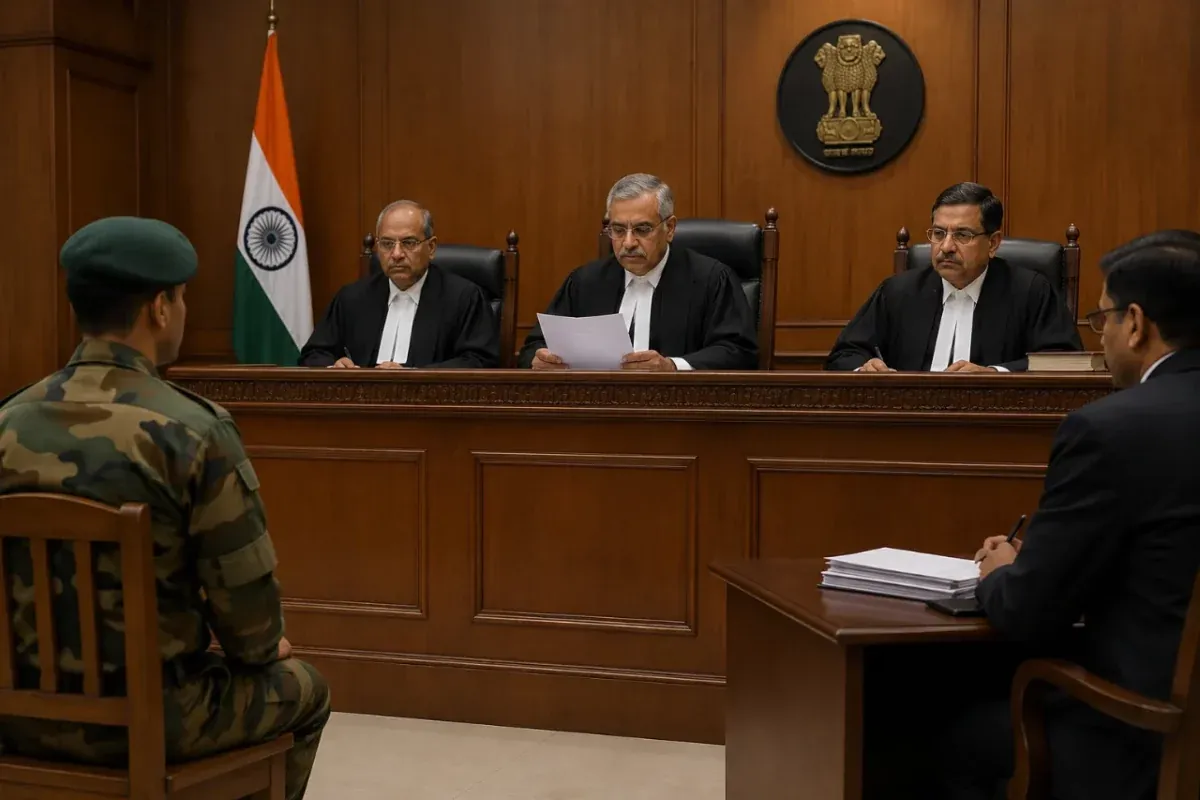
Disability Pension & Service Matters Before the Armed Forces Tribunal (AFT)
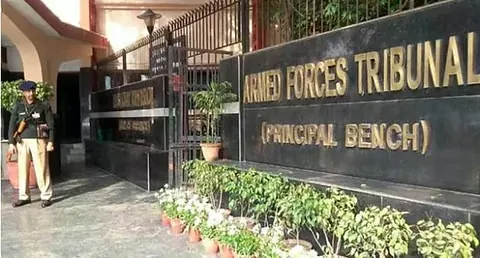
Practice area: Armed Forces Tribunal: pension, disability pension and service matters
The Armed Forces Tribunal (AFT) Act, 2007 was enacted by the Parliament to provide for the adjudication of disputes and complaints with respect to commission, appointments, enrollment, and conditions of service in respect of persons subject to the Army Act, 1950, the Navy Act, 1957, and the Air Force Act, 1950. Additionally, the Tribunal exercises appellate jurisdiction over court-martial proceedings.
One of the most frequently litigated domains before the AFT Principal Bench in New Delhi and Regional Benches (including the Regional Bench at Lucknow) pertains to Disability Pension claims. For decades, military personnel suffering from disabilities attributable to or aggravated by military service faced significant administrative hurdles in securing their rightful pensionary benefits.
In the landmark judgment of Dharamvir Singh v. Union of India (2013), the Supreme Court of India conclusively established that a member of the armed forces is presumed to have been in sound physical and mental condition upon entering service if no disability was noted during the initial medical examination. Consequently, a disability recorded at the time of discharge must be presumed to be attributable to or aggravated by military service, unless rebutted by robust medical reasoning by the Release Medical Board (RMB).
Furthermore, judicial precedents have affirmed the principle of 'broad-banding' or rounding off disability pension percentages. Under Government of India policy as interpreted by the apex court, an assessed disability of 20% to 50% is rounded off to 50%, 51% to 75% is rounded off to 75%, and 76% to 100% is awarded at 100%. The Supreme Court's September 2026 ruling on the burden of proof, and the 2026 rulings on arrears of broad-banding, are discussed in our separate article on disability pension claims after that ruling.